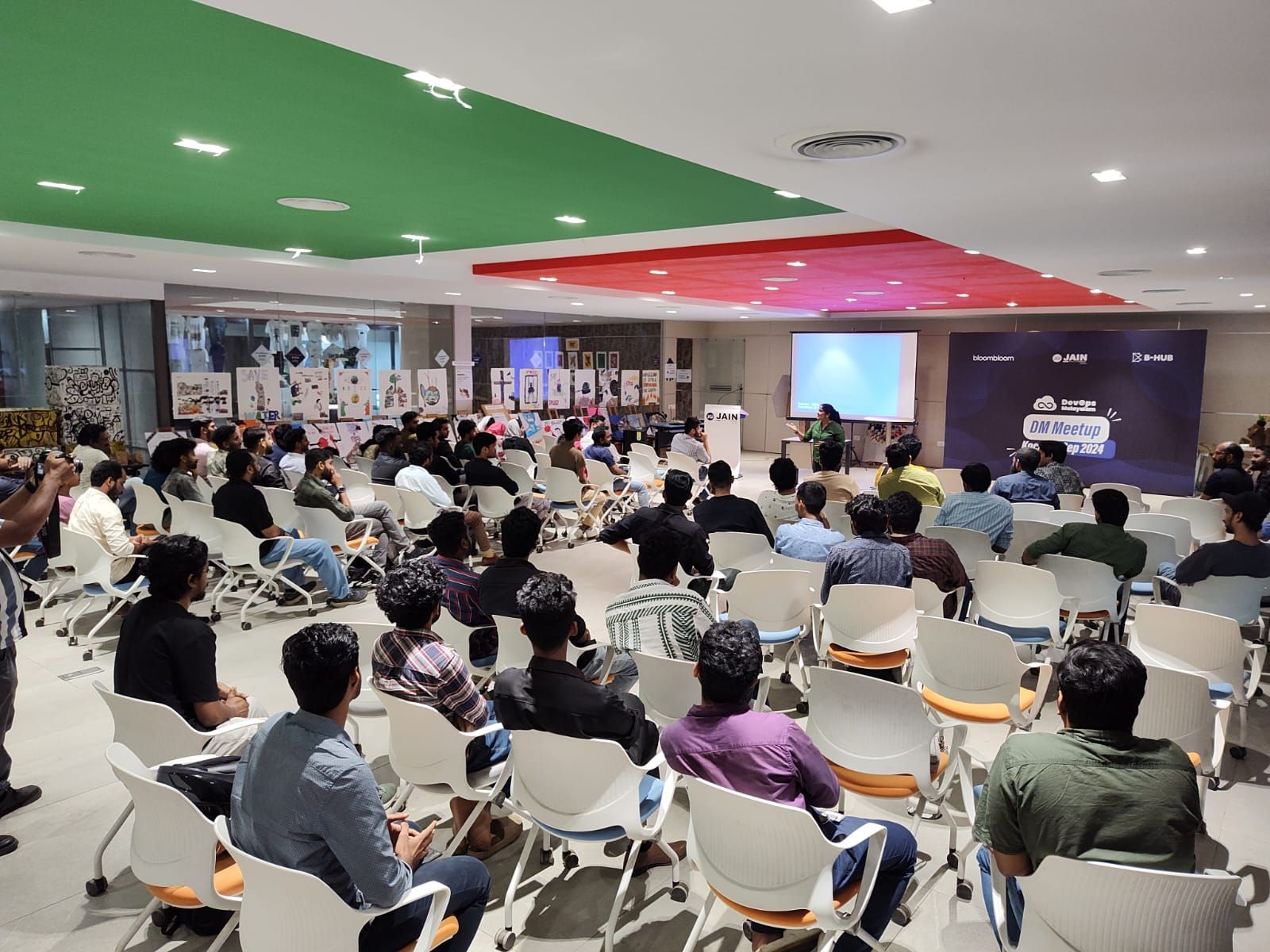
Topics Discussed:
- Networking Fundamentals
- History and Evolution of Computer Networking
- OSI Model and TCP/IP Model
- Network Interfaces and Physical Connections (Ethernet, RJ45, Cables)
- Data Transmission and Packet Structure
- IP Addressing and Subnetting (IPv4)
- MAC Addresses
- Address Resolution Protocol (ARP)
- Static vs Dynamic IP Configuration (DHCP)
- Linux Networking Commands and Tools
- Promiscuous Mode in Networking
- TCP vs UDP Protocols
- Packet Flow and Network Troubleshooting
- Network Devices (Switches, Routers, Gateway)
- Introduction to Networking Fundamentals
- Networking is crucial for IT professionals and involves understanding how systems communicate over networks.
- Comparison with operating system basics: just as OS concepts are fundamental, networking basics are essential.
- Troubleshooting network issues requires grasping basic concepts from scratch.
- Historical Context and Evolution of Networking
- Networking started during the Cold War to create robust communication channels resistant to nuclear attacks.
- Early communication used circuit-switching (like phone lines) which had reliability issues.
- Transitioned to packet switching, allowing data to be broken into packets sent across multiple routes, increasing resilience.
- OSI and TCP/IP Models
- The OSI 7-layer model and the simplified 4-layer TCP/IP model were introduced.
- Focus on layers interacting most with infrastructure: Network (IP), Transport (TCP/UDP), and Application layers (HTTP, FTP).
- Understanding the encapsulation and decapsulation of data as it moves up and down the layers is critical.
- Network Interfaces and Physical Connections
- Explanation of RJ45 connectors, Ethernet cables, and network ports.
- Typical network setup involves connecting systems to switches via Ethernet cables.
- Visualizing cables, ports, and connections helps in troubleshooting.
- Data Transmission Basics
- Transmission of bits (1s and 0s) happens in physical layers with clock signals ensuring synchronization between sender and receiver.
- Packets consist of Ethernet frame, IP header, TCP/UDP header, payload (actual data), and checksum for integrity.
- Concept of encapsulation (adding headers as data moves down layers) and decapsulation (removing headers as data moves up layers).
- IP Addressing and Subnetting
- IPv4 addressing: 32-bit address divided into four 8-bit octets.
- Private IP ranges (e.g., 192.168.x.x, 172.16.x.x, 10.x.x.x) and subnet masks explained.
- Importance of using private IPs within internal networks.
- Explanation of subnet classes (Class A, B, C) and subnetting basics.
- The concept of subnet masks and how they define network and host portions.
- MAC Addresses
- Unique hardware identifiers assigned to each network interface card (NIC).
- MAC address format: 6 fields in hexadecimal, including manufacturer ID.
- Importance of MAC addresses in Ethernet frames for device identification.
- MAC addresses can be spoofed for anonymity or security testing.
- Address Resolution Protocol (ARP)
- ARP resolves IP addresses to MAC addresses.
- Uses broadcast requests within a subnet.
- Devices respond with their MAC addresses to allow proper frame delivery.
- ARP conflicts (duplicate IP addresses) cause network issues.
- Dynamic and Static IP Configuration
- Static IP: manually assigned by administrators.
- Dynamic IP: assigned automatically via DHCP server.
- DHCP server functionality includes leasing IP addresses, lease expiration, and renewal.
- Demonstration of using Linux commands to view and configure IPs dynamically or statically.
- Linux Networking Tools and Concepts
- ip a and ip addr show for viewing interfaces and IP configuration.
- Using netplan for network configuration in Ubuntu.
- tcpdump for capturing and analyzing network packets.
- Enabling promiscuous mode for packet capture.
- ping command to test connectivity and ICMP basics.
- Promiscuous Mode
- Allows a network interface to capture all packets on the network segment.
- Used for troubleshooting and network monitoring.
- Resource-intensive and sometimes flagged by security systems.
- TCP vs UDP Protocols
- TCP: connection-oriented with three-way handshake (SYN, SYN-ACK, ACK).
- UDP: connectionless, no handshake, suitable for time-sensitive or less critical transmissions.
- TCP includes sequence numbers, acknowledgments, and control flags (SYN, ACK, FIN, RST).
- UDP used in protocols like DHCP where reliability is managed at application level.
- Packet Flow and Troubleshooting
- Packet encapsulation and header removal during transmission.
- Understanding Ethernet frames, IP datagrams, and TCP segments during communication.
- Usage of Wireshark for detailed packet analysis.
- Cable types (straight-through, crossover), their use cases, and testing cables with tools.
- Network Devices
- Switch: connects multiple devices, operates primarily at Layer 2 using MAC addresses.
- Router: connects different networks, routes packets based on IP addresses.
- Default gateway concept for routing traffic outside local network